
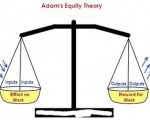
Adam’s Equity Theory
Equity theory, most popularly known as equity theory of motivation, was first developed by John Stacey Adams, a workplace and behavioral psychologist, in 1963.
John Stacey Adams proposed ...

7 Tips To Better Employee Retention
No matter the size or stage your business is currently at, having employees leave is just bad for business. As the Wall Street Journal notes, a high employee turnover rate can cost ...

How to Motivate Workers in an Organization
Motivating workers requires creativity and an understanding of the areas where employee performance exceeds your company’s expectations. Motivation also may come from addressing ...

Effective Reward Systems
A motivated workforce can be a significant factor in organizational success. When employees are motivated to work at higher levels of productivity, the organization as a whole runs ...

Procedure of Sensitivity Training
Sensitivity Training Program requires three steps:
(adsbygoogle = window.adsbygoogle || []).push({});
1. Unfreezing the old values -It requires that the trainees become aware ...

Goals of Sensitivity Training
While the emphases, styles and specific goals of the multitude of sensitivity training programs vary, there does seem to be some consensus as to general goals. These include:
...

Outcomes of sensitivity training
The outcomes they depict (self, role, and organization) are only possibilities, and cannot be guaranteed for everyone attending a sensitivity training program. This is because some ...

What Is Sensitivity Training for Managers?
Sensitivity training can help improve the relationships between managers and employees. In this lesson, you’ll learn about sensitivity training and its key concepts. You’ll ...
Sensitivity Training
Sensitivity training involves such groupings as –T groups (T for training), encounter groups, laboratory training groups, and human awareness groups are all names usually associated ...

What Is Skill Based Pay?
Definition Skill‐based pay (SBP) is a compensation system that rewards employees with additional pay in exchange for formal certification of the employee’s mastery of skills, knowledge, ...